


The Rise Of Safety Handwear In The Workplace
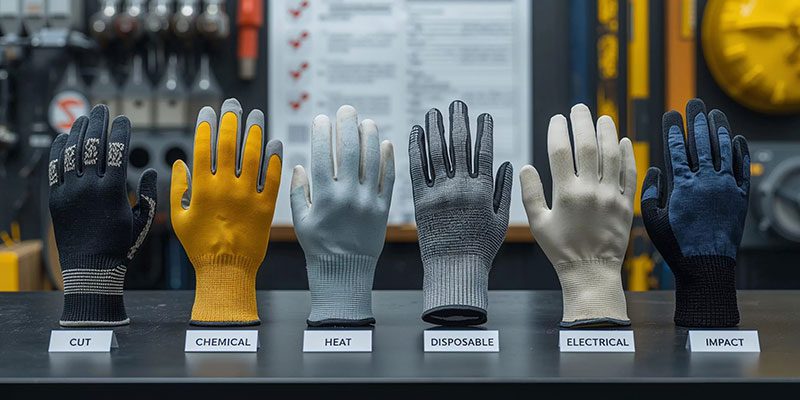
Arguably the most part of a human body for any sensitive manual work remains the hands. Whether it is in industrial environments, workshops, construction zones, and even everyday DIY projects, they are our most valuable tools. Hence, their protection then becomes a matter of necessity rather than convenience. To that end, there are various protective handwear in the market today. However, people are still confused at the question ‘How many types of safety gloves are there?’
Furthermore, it adds further confusion in the selection process of the right one. Yet, the answer is not as simple as it seems. Due to the diversified nature of work, the threats faced are also varied. That’s why manufacturers use a wide range of materials, designs, and protective features tailored for specific jobs. These include cut resistant handwear worn by metal workers to heat resistant ones worn during welding. Each iteration plays a unique role to protect against a specific threat. Hence, further complicating the ‘How many types of safety gloves are there?’ question.
The Importance Of Knowing How Many Types Of Safety Gloves Are There
Before we can answer ‘How many types of safety gloves are there?’ question, we first need to understand its significance. Let’s look at some of the main functions they perform.
- Reducing the risk of cuts, abrasions, burns, and chemical exposure.
- Protecting against electrical hazards and extreme temperatures.
- Helping prevent infections and contamination in laboratories and food handling.
- Offering better grip, dexterity, and performance during mechanical work.
- They are required by workplace safety regulations in most industries.
How Many Types Of Safety Gloves Are There?
Though the question of ‘How many types of safety gloves are there?’ is complicated, there’s a way to answer it. It is possible to differentiate each version based on material, function, and industry application. Broadly speaking, there exist eight major categories. However, within each one lies numerous subtypes. Let’s break down the most common ones first.
1 Nitrile and Latex Disposable Glove: Regardless of knowing how many types of safety gloves are there or not, it’s unlikely to be unaware of these pairs. These types of handwear are commonly found in healthcare, laboratories, automotive shops, cleaning services, and food handling. Moreover, they possess the qualities of being flexible, lightweight, and easily disposed of after usage. Furthermore, they are ideal for tasks concerning hygiene, cleanliness, and a barrier against contaminants.
Key Features:
- Excellent tactile sensitivity
- Protection against chemicals, oils, and pathogens
- Snug fit for precision tasks
- Latex offers more elasticity, while nitrile is more chemical resistant
2. Leather Safety Glove: They are arguably the most durable of all protective handwears. Also, they provide remarkable heat resistance, abrasion protection, and grip. Hence, making them a popular choice in construction, welding, heavy equipment operation, agriculture, and mechanical repairs.
Types of leather gloves:
- Cowhide: All round durability
- Goatskin: High dexterity and abrasion resistance
- Pigskin: Breathability and flexibility
- Split leather: Enhanced grip and rugged toughness
3. Cut Resistant Glove: This type is most often found in metal fabrication, construction, and manufacturing industries. Additionally, they provide safety against sharp objects, machinery blades, and heavy duty cutting tools. Moreover, there are various levels of protection available (from A1 to A9). Each variant helps against specific risks. They are designed to designed using the following materials:
- Kevlar
- HPPE (High Performance Polyethylene)
- Steel or glass fiber blends
4. Heat Resistant and Welding Glove: For people constantly working close to flames or heat, they require specific safeguarding. Whether they are welders, foundry workers, chefs, and industrial operators, they are all exposed to the same danger. That’s why many countries have regulated the use of heat resistant handwear. Moreover, they provide acute protection against sparks, molten metal splashes, and direct heat exposure.
Features:
- Thick insulation
- Flame retardant materials
- Long cuffs to protect wrists and forearms
- Reinforced stitching
5. Chemical Resistant Glove: With people constantly working with chemicals in various fields, they require constant defence against them. That’s why there is always a chemical resistant pair available in particular places. These include labs, cleaning staff, oil & gas workers, and industries involving solvents or hazardous fluids.
Moreover, each iteration safeguards against specific chemicals depending on the resistance level of their material. It is important to remember that no single glove provides security against all types of chemicals. That’s why data sheets (SDS) are essential.
Common materials include:
- Neoprene
- Nitrile
- Polyvinyl chloride (PVC)
- Butyl rubber
- Latex
- Viton
6. Electrical Insulating Gloves: Arguably the greatest threat remains to those who work with electricity. Due to its ability to cause fatal damage in a flash, sufficient security is required. That’s why electricians, utility workers, and engineers are required to wear protective gear. Whether they are working with low or high voltage hazards, they wear a rubber glove with leather protectors.
Types include:
- Class 00: Up to 500V
- Class 0: Up to 1,000V
- Class 1–4: 7,500V to 36,000V
7. Impact Resistant and Anti Vibration Glove: These are often worn by manual workers using heavy equipment. These include workers using heavy machinery, jackhammers, drills, and power tools.
The handwear absorbs or limits the impact. Hence, safeguarding the operator from any lasting damage. They significantly reduce hand fatigue, prevent bruising, and minimize the risk of vibration induced disorders.
Protective features:
- TPR (thermoplastic rubber) padding for knuckle protection
- Shock absorbing foam
- Reinforced palms
Conclusion
Summing it all up, there’re way too many answers to the ‘How many types of safety gloves are there?’ question. Each version is specifically designed to safeguard against a particular risk. Having said that, the world around us is constantly evolving at a rapid pace. Soon, the workers and others will likely be exposed to completely new threats.
Then, it will add a new layer to the ‘How many types of safety gloves are there?’ question. Hence, making it impossible to answer. However, there is a reassuring side to all this. That is regardless of the risk faced, there will always be handwear to provide protection from it.
FAQs
A: Although there are various forms of handwear in the world today, safety gloves’ sole purpose is to provide protection. The safeguard against various hazards. These include cuts, chemicals, heat, impact, and electrical risks. Often, they can be found worn in construction, manufacturing, healthcare, laboratories, and maintenance jobs.
A: To protect against a range of threats, several types of handwear are present in the market today. They often include nitrile, latex, leather, cut resistant, chemical resistant, electrical insulated, impact resistant, and general purpose work gloves. Each pair is designed for specific hazards and industries in mind. This serves also as an example of why knowing about how many types of safety gloves are there is essential.
A: According to experts, they perform their best in heavy duty tasks. These include welding, construction, mechanical repairs, and operating heavy equipment. Additionally, they provide excellent heat resistance, durability, and grip. Hence, making it an ideal choice in high risk tasks and places.
A: Normally, they are used for general handling tasks, packaging, warehousing, gardening, and light duty industrial work. Moreover, they are designed to prioritize comfort, grip, and basic protection rather than high level resistance. Knowing about how many types of safety gloves are there helps you pick the right pair for the right job.
